What Is a Continuum of Care and Why Does It Matter in a Care Home?

When families first begin looking into care homes, it is usually because something has changed. A loved one may be finding daily tasks more difficult, feeling lonely at home, or needing a little extra support to stay safe and well. At this stage, most people are not thinking far ahead. They are focused on what help is needed right now.
That is where the idea of a continuum of care becomes so important. While the term itself can sound quite clinical, the meaning is actually very simple and deeply reassuring. A continuum of care means that a care home can continue to support someone as their needs change, without the upheaval of moving somewhere new.
For families who have never heard the phrase before, understanding it can make a huge difference when choosing the right care home.
Understanding the Continuum of Care in Plain Terms
A continuum of care refers to a care home’s ability to provide different levels of support over time. Rather than offering just one type of care, a home with a continuum of care can adapt as a resident’s health, mobility or memory needs change.
Many people move into residential care when they are still fairly independent but need help with daily living. This might include meals, personal care, medication reminders or simply having staff nearby for reassurance. At this point, nursing care may not be needed.
As the years pass, it is natural for care needs to increase. Someone who once needed light support may later require more hands-on help, regular medical monitoring, or specialist dementia care. In other cases, short term respite care or palliative care may become necessary.
A care home that offers a full continuum of care can provide all of this within the same familiar environment.

Why Families Worry About What Comes Next
One of the biggest fears families have when choosing a care home is what happens if things change. It is a very common concern and a very valid one.
People often ask questions like:
What if Mum needs nursing care later on?
What if Dad develops dementia?
Will they have to move again?
Will they cope with another big change?
Moving into a care home is already a significant transition. Asking someone to move again later, especially when they are older or more vulnerable, can be extremely distressing. New surroundings, unfamiliar faces and different routines can lead to confusion, anxiety and a loss of confidence.
A continuum of care removes much of that uncertainty. It allows families to plan with confidence, knowing that their loved one can stay in the same place, surrounded by people who already know them well.
A Real Life Example of How Continuum of Care Works
Imagine someone moving into residential care because they are struggling with cooking, housekeeping and managing medications. They are still sociable, enjoy activities, and value their independence, but benefit from daily support.
Over time, their physical health may decline. They might need help with mobility, require more complex medication management, or need regular health checks from trained nursing staff. In a care home without a continuum of care, this could mean another move to a nursing home.
In a home like Templeton Care Home, where residential and nursing care are both offered, that transition can happen seamlessly. The same room, the same staff, the same routines, just with the right level of additional support introduced gently and respectfully.
The same applies if someone later develops dementia. Rather than moving away from a place they feel settled and safe, specialist dementia care can be provided within the same care setting by staff trained to understand changing cognitive needs.

The Emotional Importance of Familiarity
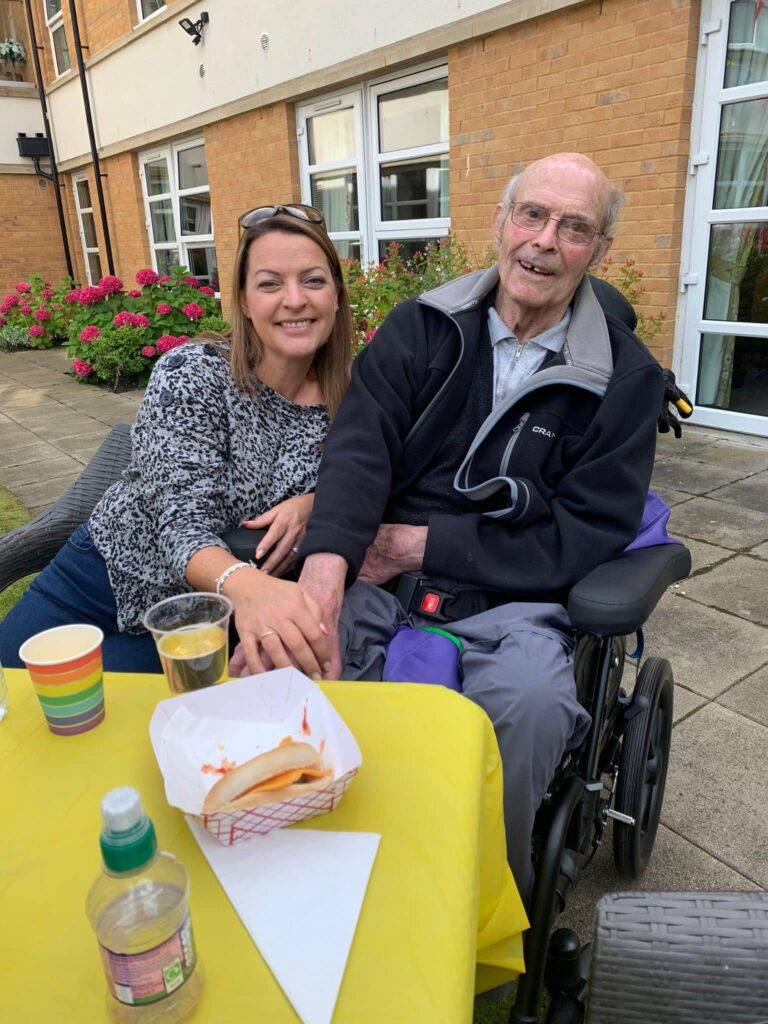
Familiarity matters far more than many people realise. Knowing where the dining room is, recognising the faces around you, and feeling comfortable in your own room all contribute to emotional well-being.
For residents, staying in one place as care needs change helps preserve dignity and identity. They are not starting again. They are simply continuing their life with the right level of support.
For families, it offers peace of mind. There is reassurance in knowing that staff already understand routines, preferences, life history and personality. That knowledge cannot be replicated quickly in a new setting.
Continuum of Care and Person Centred Support
A continuum of care works best when it is rooted in person-centred care. This means care that adapts around the individual, not the other way around.
At Templeton Care Home, care plans are regularly reviewed and updated as needs evolve. Support increases gradually, not suddenly. This allows residents to adjust at their own pace and feel involved in decisions about their care wherever possible.
Whether someone needs residential care, nursing care, dementia support, respite care or palliative care, the focus remains on comfort, dignity and quality of life.
Supporting Families Through Every Stage
Choosing a care home is rarely just a practical decision. It is emotional, often made during stressful or uncertain times. A continuum of care supports not only residents but also their families.
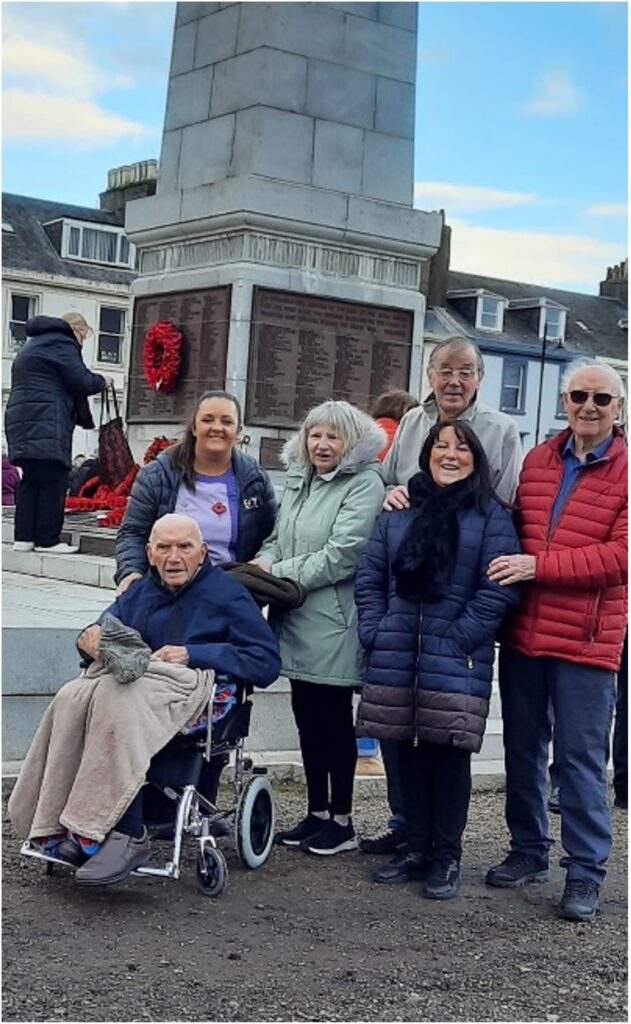
Families can build lasting relationships with staff, ask questions openly, and feel confident that there is a long-term plan in place. There is comfort in knowing that whatever the future holds, their loved one will not face it alone or be forced to move again.
This continuity is especially important during times of decline or the end of life, when familiarity and trust are more valuable than ever.
Why Continuum of Care Is a Strength at Templeton Care Home
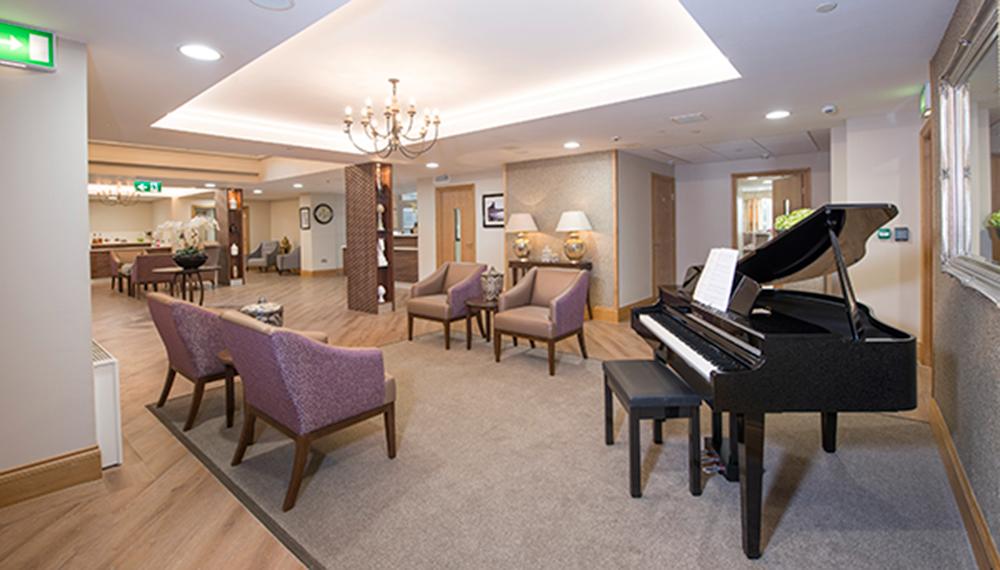
Templeton Care Home in Ayr offers a full range of care services, making it a strong choice for families who want reassurance for both today and tomorrow. The home provides residential care, nursing care, dementia care, respite care and palliative care, all within one supportive setting.
This means residents can remain in the same home as their needs change, supported by a team who knows them as individuals, not just as care needs.
For families searching for a care home in Ayr, this approach removes much of the fear around future uncertainty. It allows loved ones to settle, build relationships and feel truly at home, knowing that care will adapt around them every step of the way.
If you'd like to take a visit and see our care home for yourself, please get in touch with our friendly team today.